
Karnataka prohibits junk food sales within 50 metres of educational institutions
Karnataka Health Minister UT Khader, on Friday, July 31, announced a ban on the sale, free distribution, advertising, and promotion of food products high in fat, sugar, and salt (HFSS) within a 50-metre radius of school and college campuses. The announcement follows a similar decision recently taken
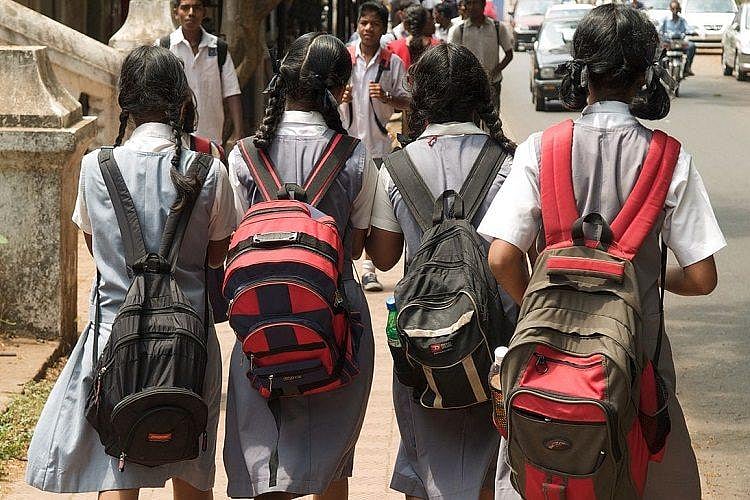
Karnataka Health Minister UT Khader, on Friday, July 31, announced a ban on the sale, free distribution, advertising, and promotion of food products high in fat, sugar, and salt (HFSS) within a 50-metre radius of school and college campuses. The announcement follows a similar decision recently taken by the Maharashtra government.The Food Safety and Drug Administration has directed authorities to strictly enforce the advisory. Violators will face action under the Food Safety and Standards Act, 2006."Our officers will carry out random inspections of school canteens and establishments around schools. Violators can be fined up to Rs 3 lakh under the Food Safety and Standards Act, 2006. We urge parents to alert us if they find junk food being sold in or around schools. We are confident that all stakeholders, including school management, will cooperate in the interest of children's health," Khader said.He added that the state government is also in discussions with the Education Department on the possibility of not renewing the licences of schools found selling junk food from the next academic year.The move comes after statewide inspections across 134 schools, colleges, and food business establishments found vendors selling HFSS food items in the vicinity of educational institutions.Under the advisory, educational institutions will be responsible for monitoring the food sold on their premises and must install warning signboards discouraging the sale of HFSS foods.Canteens, hotels, bakeries, and vendors operating near schools must hold valid Food Safety and Standards Authority of India (FSSAI) licences and comply with prescribed food safety and hygiene standards. Regular inspections will also be carried out to ensure compliance.According to the advisory, foods high in fat, sugar, and salt can cause rapid spikes in blood sugar levels and contribute to long-term health risks.However, the announcement has raised questions among school managements about what exactly qualifies as junk food.D Shashi Kumar, Secretary of the Association of Management of Primary and Secondary Schools of Karnataka, welcomed the move but sought greater clarity."This is a welcome move. However, the big question is whether the government has released a list of junk foods. What are the criteria? Is a vegetable or chicken sandwich considered junk food?" he asked.He also questioned how the ban would be enforced outside school premises.Responding to such concerns, Khader said, "We know that foods like popcorn and chikki are healthy options for children. Likewise, we know that foods high in sugar, salt, and trans fats are harmful. This initiative is only the first phase of implementation aimed at preventing lifestyle diseases. We will issue further guidelines as and when required."He added that while children often choose food based on taste, adults have a responsibility to make informed choices and understand the health impact of the food they purchase.This story was written by a student interning with TNM.