
5 surprising facts about chocolate that most people don't know
Its history stretches back thousands of years, and the process of turning cocoa beans into the chocolate we eat involves several interesting steps. Here are five facts that might surprise even regular chocolate lovers.
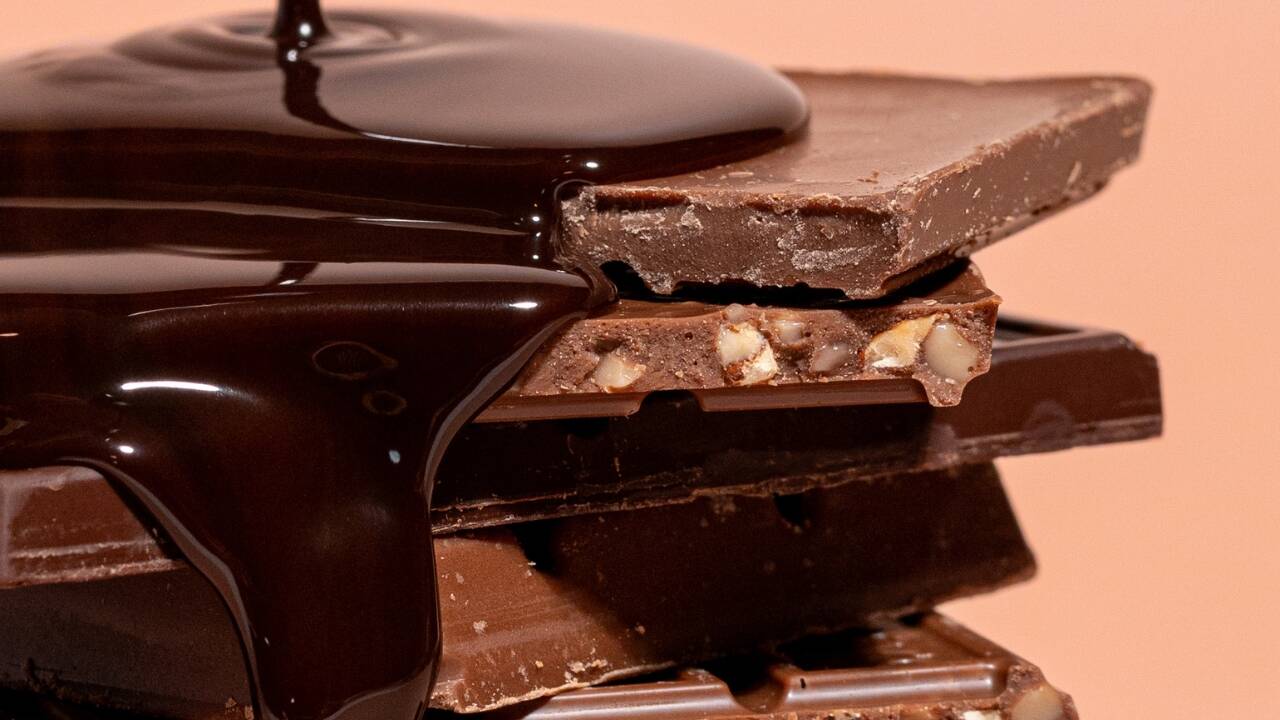
Chocolate is one of those treats that can turn an ordinary afternoon into a slightly better one. Whether it is a square of dark chocolate after lunch, a hot chocolate on a rainy evening or a box of assorted chocolates during celebrations, it has found its way into everyday life.But there is much more to chocolate than its sweet taste. Its history stretches back thousands of years, and the process of turning cocoa beans into the chocolate we eat involves several interesting steps. Here are five facts that might surprise even regular chocolate lovers.Images: Canva (for representative purposes only) Long before chocolate bars became popular, ancient Mesoamerican civilisations consumed cacao as a beverage. The Maya and Aztecs prepared drinks using ground cacao, often mixing it with water, spices and other ingredients. Unlike the sweet chocolate drinks we enjoy today, these early versions could be bitter and were sometimes consumed during important rituals and ceremonies.Cocoa beans do not grow inside ordinary fruits or underground. They are found inside large, colourful pods that grow directly on the trunk and branches of cacao trees. Each pod contains a sweet, white pulp surrounding the cocoa beans. These beans are harvested, fermented, dried and processed before becoming the chocolate we recognise.White chocolate is technically different from dark and milk chocolate because it does not contain cocoa solids. Instead, it is made using cocoa butter, sugar and milk ingredients. Cocoa butter is the fat extracted from cocoa beans, which gives white chocolate its creamy texture. This is also why its colour is pale rather than brown.One reason chocolate has that familiar melt-in-the-mouth quality is its melting behaviour. Cocoa butter has a melting range close to normal human body temperature. This allows good-quality chocolate to soften and melt easily in the mouth without needing much heat. Its fat composition is also responsible for the smooth texture chocolate lovers enjoy.The flavour of chocolate does not develop simply by grinding cocoa beans. After harvesting, the beans are fermented for several days, a process that helps develop the flavour precursors responsible for chocolate's characteristic taste and aroma. They are then dried and roasted before being processed further. Without these steps, chocolate would not have the familiar flavour we associate with it.From an ancient bitter drink to the chocolate bars lining supermarket shelves, this treat has travelled quite a distance. The next time you unwrap a piece, there is a little more history and science behind it than you might have imagined.