
6 common mistakes people make while using room heaters
Here are six common mistakes people should avoid while using room heaters.
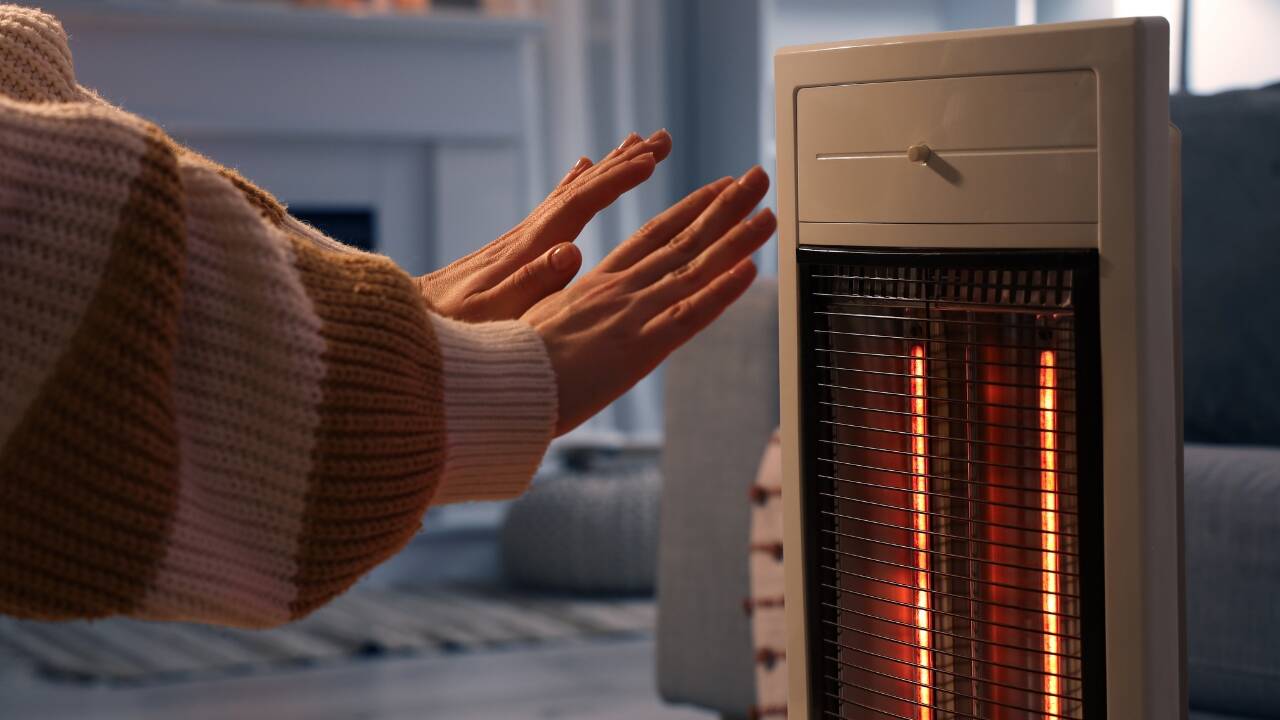
When temperatures drop, a room heater can quickly become one of the most frequently used appliances in the house. Whether it is switched on during chilly mornings or kept running while someone works from home, it offers a convenient way to stay warm.However, using a room heater without paying attention to basic safety precautions can create problems. From placing it too close to furniture to leaving it running unattended, seemingly harmless habits can increase the risk of burns, fires or other accidents.Here are six common mistakes people should avoid while using room heaters.Images: Canva It is tempting to push a heater into a corner or place it beside the sofa so that it does not occupy much room. However, this can be dangerous if the appliance is too close to curtains, bedding, clothes or upholstered furniture.Keep heaters on a stable, level surface and maintain the clearance recommended by the manufacturer. As a general precaution, keep combustible materials at least three feet away unless the appliance instructions require a greater distance.Never cover a heater or use it to dry clothes.You may think that leaving the heater running while stepping out for a few minutes is harmless. However, an unattended heating appliance can become a fire risk, particularly if something accidentally falls against it.Switch off the heater whenever you leave the room or go to sleep. Do not rely entirely on automatic shut-off features, as these are additional safety measures rather than substitutes for supervision.A common mistake is plugging a room heater into an extension board because the nearest wall socket is too far away.Portable electric heaters generally draw considerable electrical power. Using an unsuitable extension cord or overloaded power strip can cause overheating and increase the risk of an electrical fire.Plug the heater directly into a suitable wall outlet, following the manufacturer's instructions. Avoid sharing the socket with other high-power appliances.A little dust burning off when a heater is switched on for the first time after months of storage may sometimes produce a temporary smell. However, persistent burning smells, sparks, unusual noises or visible damage should never be ignored.Inspect the plug, cord and appliance before every winter season. If the wire is frayed, the plug becomes unusually hot or the heater starts behaving differently, switch it off and have it checked by a qualified technician.Do not attempt makeshift repairs.Not all room heaters work on electricity. Some use fuels such as kerosene or gas and require specific ventilation and installation precautions.Using an unsuitable fuel-burning heater in a closed room can expose occupants to carbon monoxide, a colourless and odourless gas that can cause serious poisoning.Use only appliances approved for indoor use and follow their ventilation requirements. Never use outdoor heaters, charcoal grills or cooking appliances to heat an indoor room. Install working carbon monoxide alarms where fuel-burning appliances are used.Keeping a heater switched on for long periods can make a room uncomfortably warm and contribute to dry indoor air. It can also increase electricity consumption.Use the thermostat or temperature settings recommended for the appliance and switch it off when the room reaches a comfortable temperature. Keep the room adequately ventilated according to the heater's instructions.A room heater is useful during winter, but convenience should never come at the cost of safety. Reading the appliance manual, checking its condition and following basic precautions can help prevent avoidable accidents.