
An infant with a single eye socket was buried 1,600 years ago in Peru; ancient DNA reveals an extra chromosome 13
Researchers have identified a rare case of cyclopia in a 1,600-year-old infant burial in southern Peru, linking the congenital condition to trisomy 13 through ancient DNA analysis. The child, buried at the Nasca archaeological site of Jauranga, had a single central eye socket and other unusual skull
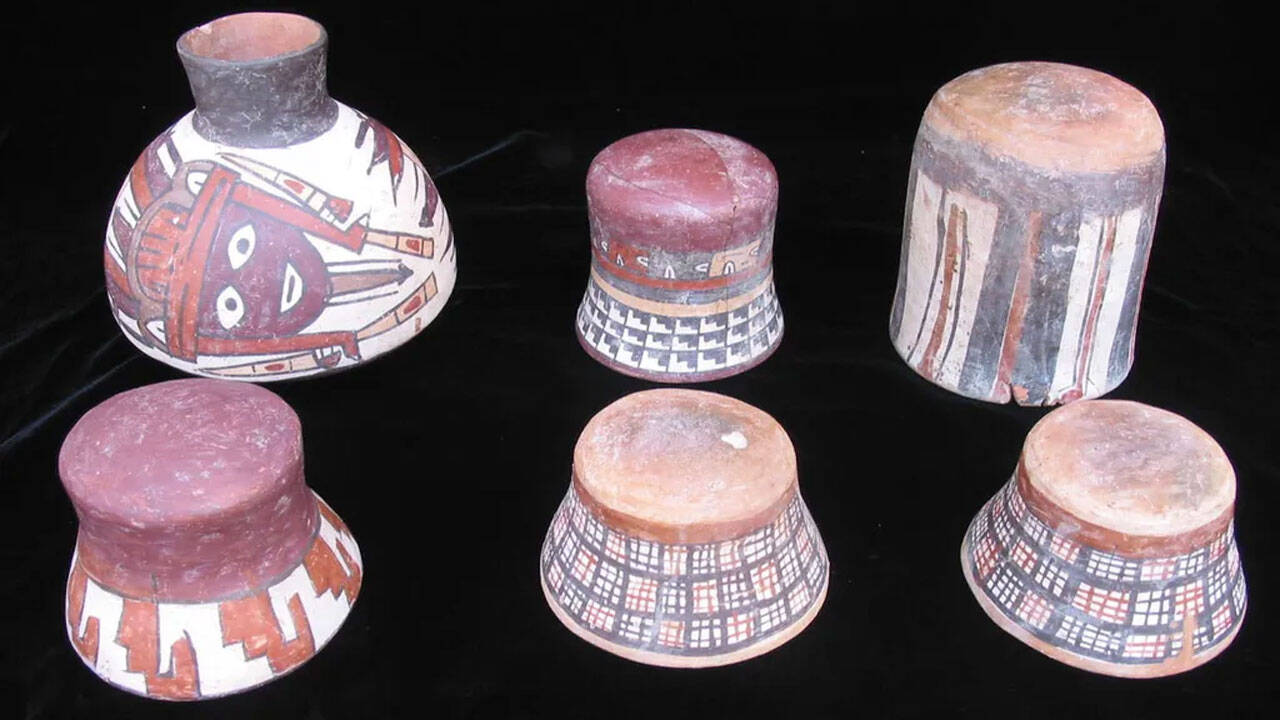
Researchers have identified a rare case of cyclopia in a 1,600-year-old infant burial in southern Peru, linking the congenital condition to trisomy 13 through ancient DNA analysis. The child, buried at the Nasca archaeological site of Jauranga, had a single central eye socket and other unusual skull features. Published in PNAS on November 9, 2026, the study combines genetic and skeletal evidence to investigate the condition and offers insights into ancient Nasca burial practices.
Read the complete story at TOI Education